
Breathe Easy: The Importance of Routine HVAC Maintenance

Your home or business's HVAC system is the unsung hero of comfort. It keeps you cozy in the winter and cool in the summer, working tirelessly behind the scenes. But, like any hardworking machine, it needs regular care to perform at its best. Neglecting routine HVAC maintenance can lead to costly repairs, higher energy bills, and even premature system failure.
So, why is routine maintenance so crucial? Let's dive into the benefits and what it entails.
The Perks of a Well-Maintained HVAC System:
Increased Efficiency and Lower Energy Bills: A clean and properly functioning system operates more efficiently, using less energy to achieve the desired temperature. This translates to significant savings on your monthly utility bills.
Extended System Lifespan: Regular maintenance helps prevent minor issues from escalating into major problems. By addressing wear and tear early, you can significantly extend the lifespan of your HVAC system.
Improved Air Quality: Dirty filters and clogged ducts can circulate dust, allergens, and other pollutants throughout your home. Routine maintenance includes cleaning and replacing filters, ensuring cleaner and healthier indoor air.
Reduced Risk of Costly Breakdowns: Proactive maintenance helps identify potential problems before they lead to unexpected breakdowns, saving you the stress and expense of emergency repairs.
Enhanced Comfort: A well-maintained system provides consistent and reliable comfort, ensuring your home stays at the perfect temperature year-round.
Safety: Especially concerning gas furnaces, routine maintenance checks for gas leaks, and other safety hazards.
What Does Routine HVAC Maintenance Entail?
A comprehensive HVAC maintenance check typically includes the following:
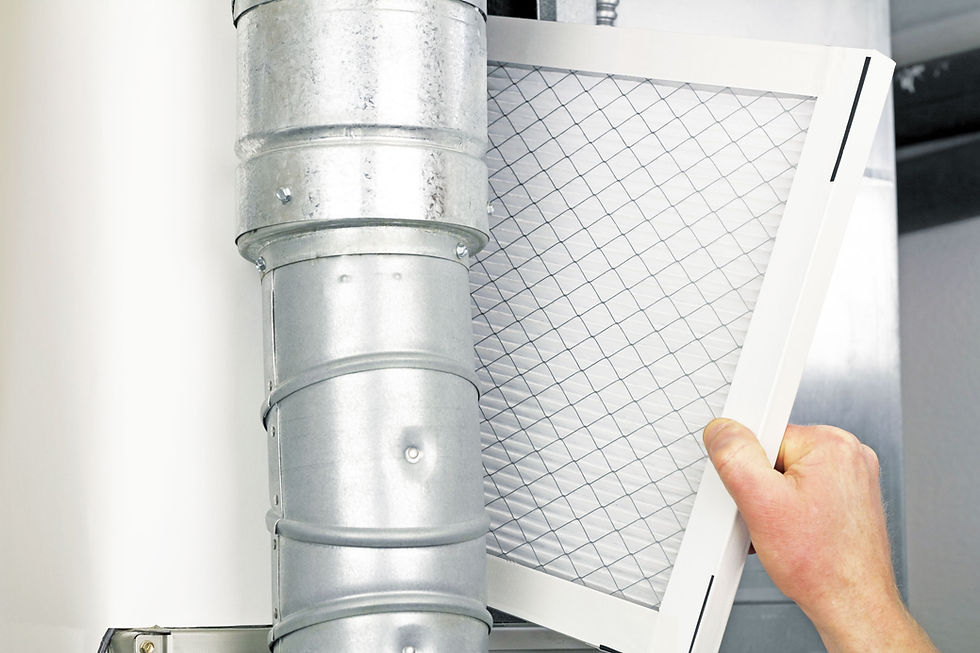
Filter Replacement/Cleaning: Replacing or cleaning air filters is one of the most critical maintenance tasks. Dirty filters restrict airflow, forcing your system to work harder.
Coil Cleaning: Dirty evaporator and condenser coils reduce heat transfer efficiency. Cleaning these coils ensures optimal performance.
Ductwork Inspection: Inspecting ductwork for leaks and damage ensures proper airflow and prevents energy loss.
Electrical Connection Check: Tightening loose electrical connections and inspecting wiring for damage prevents electrical hazards.
Thermostat Calibration: Calibrating your thermostat ensures accurate temperature control and energy efficiency.
Refrigerant Level Check: Checking refrigerant levels and addressing leaks ensures optimal cooling performance.
Blower Motor Inspection: Inspecting and lubricating the blower motor ensures proper airflow.
Condensate Drain Cleaning: Cleaning the condensate drain prevents clogs and water damage.
Furnace Inspection (for heating systems): Checking the burner, heat exchanger, and other components for proper operation and safety.
Overall System Check: A comprehensive inspection of all components to identify any potential issues.
When Should You Schedule Maintenance?
It's recommended to schedule HVAC maintenance at least twice a year: once in the spring before the cooling season and once in the fall before the heating season. 1 This ensures your system is ready for the demands of each season.
DIY vs. Professional Maintenance:
While you can handle some basic maintenance tasks, such as filter replacement, it's essential to rely on a qualified HVAC technician for comprehensive maintenance checks. Professionals have the expertise and tools to identify and address complex issues safely and effectively.
Investing in Peace of Mind:
Routine HVAC maintenance is an investment in your comfort, safety, and financial well-being. By taking proactive steps to care for your system, you can enjoy years of reliable and efficient performance. Don't wait for a breakdown to occur. Schedule your routine maintenance today and breathe easy knowing your HVAC system is in good hands.


Comments