
The Practical: Coastal Winter Guide: Keeping Your Heat Pump Efficient When the Mercury Drops

1. The "Whoosh" is Normal: Understanding the Defrost Cycle
In our humid climate, moisture in the air often freezes onto the outdoor coils. To prevent becoming a literal block of ice, your heat pump will occasionally enter Defrost Mode.
What happens: The system temporarily reverses (switching to "cooling mode") to send hot refrigerant to the outdoor coils to melt the ice.
The Sights and Sounds: You might hear a loud whoosh or a change in the fan’s pitch. You may even see steam rising from the unit—this is not smoke! It’s just the ice melting away.
The "Aux" Boost: While in defrost, your system will usually kick on its auxiliary electric heat strips so you don’t feel a blast of cold air inside.
2. Snow Days: Keep It Clear
Southeastern NC doesn't get many snowstorms, but when we do, they tend to be wet and heavy.
Airflow is Everything: Your heat pump needs to "breathe" to extract heat from the outside air. If snow piles up around the base or over the top, the unit can’t do its job.
The 2-Foot Rule: Try to maintain at least two feet of clearance around the entire unit.
Avoid the "Ice Shell": If freezing rain or snow creates a hard crust of ice on the coils that the defrost cycle can't handle, do not use a screwdriver or ice pick to chip it away. You can easily puncture the delicate aluminum fins or refrigerant lines. Instead, use a garden hose with lukewarm water to gently melt it off.
3. Don't Panic at the "Aux" or "Em" Heat Light
On the coldest nights—usually when it drops below $35°F$—you might see "Auxiliary Heat" or "Heat Strip" active on your thermostat.
Auxiliary Heat: This is normal. It means the heat pump needs a little help from the electric heat strips to reach your set temperature.
Emergency Heat: Only switch to this manually if your outdoor unit is making a terrifying noise or is completely disabled. Running on "EM Heat" exclusively is like heating your house with a giant toaster—it works, but your next electric bill will be a shock.
4. Pro-Tips for Coastal Winter Efficiency
Don't "Set Back" the Temp: Unlike a gas furnace, heat pumps are most efficient when they maintain a steady temperature. If you drop the thermostat by 5 degrees at night and crank it back up in the morning, you’ll likely trigger the expensive auxiliary heat strips to make up the difference.
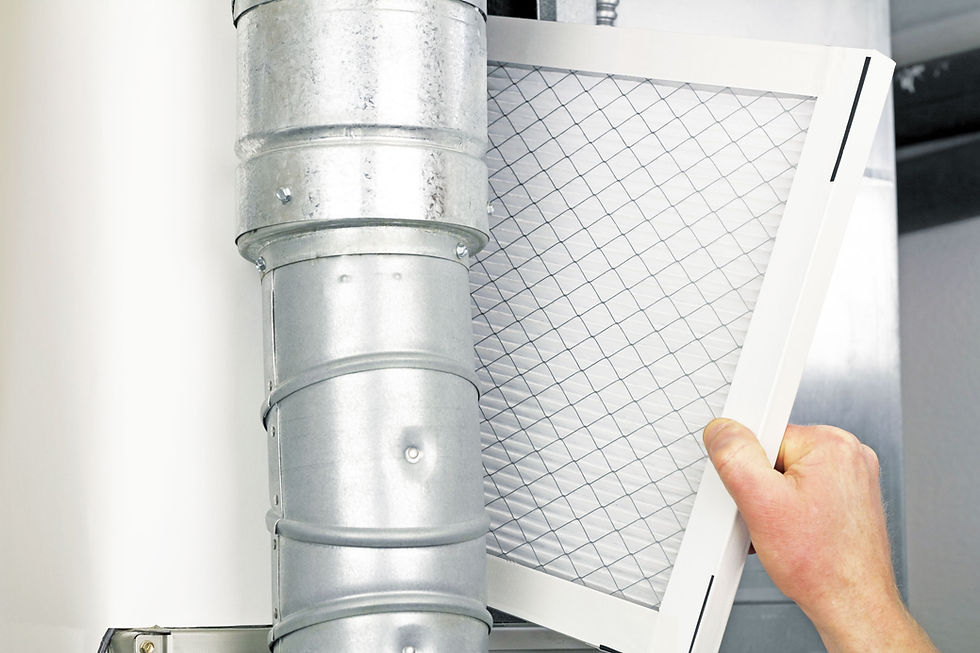
Check Your Filters: Winter air is often dusty. A clogged filter restricts airflow, making the system work twice as hard to pull heat into your home.
Mind the Drip Line: Ensure your gutters aren't leaking directly onto the outdoor unit. Constant dripping in freezing weather will turn your heat pump into an ice sculpture very quickly.
Is your heat pump ready for the next cold snap? If your unit is more than 10 years old (like a 2012 model), it may struggle more during these coastal freezes. A quick winter tune-up can ensure your defrost board and heat strips are ready to handle the load.


Comments