
5 Things to Check Before Calling an HVAC Tech
Don't Pay for a Service Visit You Might Not Need!
When your AC stops blowing cold air or your furnace won't kick on, it’s easy to panic—especially during a North Carolina summer or a surprise winter cold snap. Before you pick up the phone and pay for a diagnostic visit, take five minutes to run through this "Quick Fix" checklist.
You’d be surprised how often a "broken" system is actually just a simple setting or a minor maintenance oversight.
1. Check Your Thermostat Settings (and Batteries!)
It sounds obvious, but you’d be amazed how often a thermostat gets bumped or accidentally switched.
The "Auto" vs. "On" setting: If your fan is set to "On," it will blow air even when the system isn't cooling, leading you to think the AC is broken. Ensure it is set to "Cool" and the fan is on "Auto."
The Battery Factor: If your thermostat screen is blank or flashing, replace the batteries first. A thermostat with dead batteries can't tell your HVAC system what to do.
2. Inspect Your Air Filter
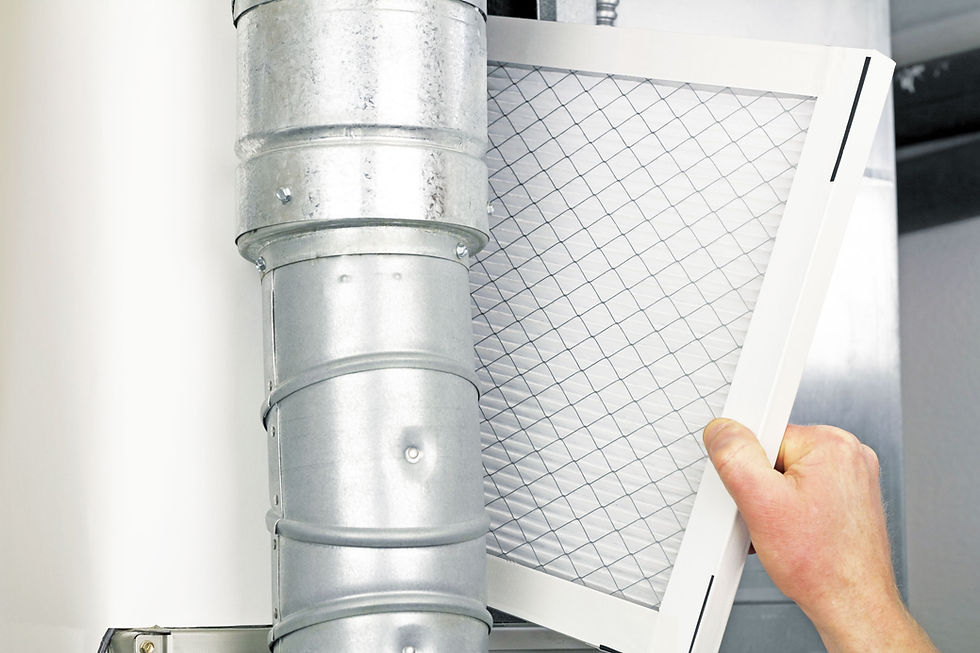
A dirty, clogged air filter is the #1 cause of HVAC issues. When the filter is caked in dust, air can't flow through the system. This can cause your indoor coils to freeze into a block of ice or your furnace to overheat and shut down for safety.
The Test: Pull your filter out. If you can’t see light through it, replace it immediately.
3. Peek at Your Circuit Breaker
HVAC systems pull a lot of power. Sometimes, a power surge or a brief overload can trip the circuit breaker.
The Fix: Locate your home’s electrical panel. Look for the switches labeled "AC," "Furnace," or "Air Handler." If the switch is sitting in the middle (not fully on or off), flip it all the way to "Off" and then back to "On."
4. Check the "Float Switch" (The Water Problem)
Your AC doesn't just cool the air; it removes humidity. That water drips into a pan and out a drain line. If that line gets clogged with algae or debris, a safety device called a Float Switch will trip and shut the whole system down to prevent your house from flooding.
What to look for: If you see water standing in the secondary drain pan under your unit, your drain line is likely clogged. Clearing it might bring the system back to life instantly.
5. Clear the Outdoor Unit
Your outdoor condenser needs to "breathe" to release the heat it gathered from inside your home.
The Inspection: Is the outdoor unit buried in tall grass, weeds, or fallen leaves? If the fins are clogged with debris, the system will struggle and eventually shut down. Clear a two-foot "buffer zone" around the unit and gently spray it down with a garden hose (never a pressure washer!) to clear the dust.
Still Not Working? It’s Time to Call the Pros.
If you’ve checked these five things and your home still isn't reaching the right temperature, you likely have a mechanical issue—such as a failed capacitor, a refrigerant leak, or a motor problem—that requires a licensed technician.
Don't risk DIY repairs on high-voltage components. Give us a call at Optimum HVAC, and we’ll get your comfort back on track with upfront pricing and expert service.


Comments